Expert Concrete Contractors for Durable Construction Projects
The Ultimate Guide to Concrete Leveling: Techniques and Benefits for a Flawless Foundation
Concrete leveling is an essential yet often overlooked aspect of property maintenance. Various techniques, such as mudjacking and polyurethane injection, can restore uneven surfaces effectively. Property owners stand to gain considerable advantages, ranging from improved safety to maintained property value. Yet, identifying when leveling is needed and choosing the right technique can prove difficult. Comprehending the details of these processes may expose advantages that go beyond surface-level fixes; it could preserve a home's structural soundness for many years ahead.
What You Should Know About Concrete Leveling
Concrete leveling is an essential process for upholding the stability and visual appeal of residential and commercial properties. As time passes, elements such as soil shifting, changing weather patterns, and excessive weight can result in uneven concrete slabs. This not only compromises the structural stability but can also lead to safety hazards, such as tripping and water pooling. Understanding the importance of concrete leveling is vital for property owners, as it helps preserve the value and functionality of their investments.
Furthermore, ignoring uneven concrete surfaces can lead to expensive repairs and potential damage to surrounding structures. Periodic assessments and timely action can reduce these risks. Property owners should be aware of the indicators of uneven concrete, including drainage irregularities, cracks, and gaps. At the end of the day, understanding the importance of concrete leveling can lead to better decisions, promoting long-term safety and durability for all types of properties, both residential and commercial.
Leading Approaches for Effectively Leveling Concrete
In the pursuit of optimal concrete leveling results, various leading approaches deserve attention. Traditional mudjacking presents a well-established method, while polyurethane foam injection offers contemporary benefits. In addition, applying self-leveling compounds presents a comprehensive approach for attaining a level and even surface.
Mudjacking Process Overview
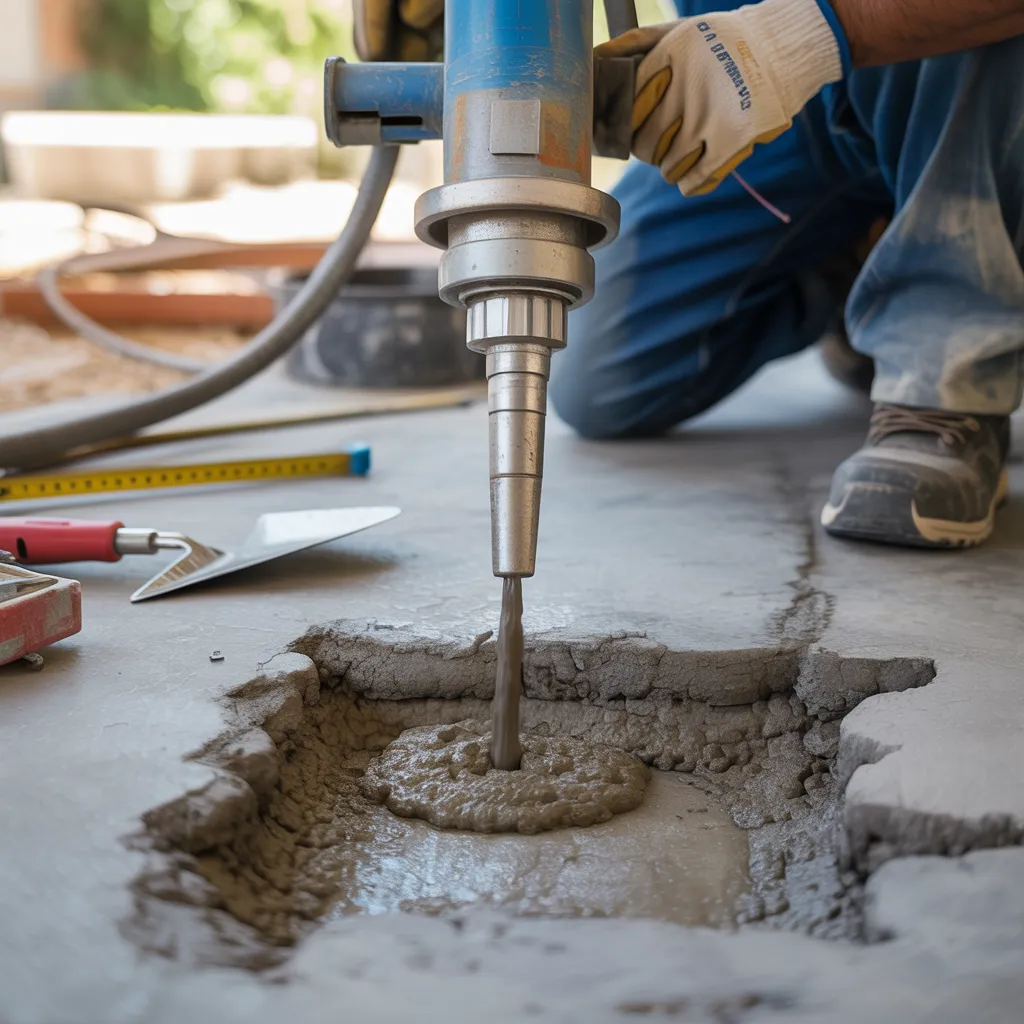
Addressing sunken or uneven concrete surfaces commonly requires the mudjacking process, a proven and efficient technique for leveling. This method entails drilling small holes into the affected concrete slab and injecting a mixture of water, soil, and cement beneath it. As the material is pumped in, it fills voids and raises the slab to its original position. Mudjacking is preferred for its affordability and efficiency, enabling rapid repairs with little disruption. It is most advantageous for patios, driveways, and sidewalks, where irregular surfaces can present safety concerns. By restoring structural integrity and improving aesthetics, mudjacking not only enhances the functionality of concrete surfaces but also prolongs their lifespan, making it a popular choice among homeowners and contractors alike.
Benefits of Polyurethane Injection
Polyurethane injection stands out as an innovative approach to resolving unlevel concrete areas, providing significant benefits compared to older approaches including mudjacking. This process consists of injecting a lightweight polyurethane foam beneath the concrete, which expands and fills voids, effectively lifting the slab. One significant benefit is its rapid curing time, frequently enabling use in a matter of hours, reducing downtime. Furthermore, polyurethane foam offers strong water resistance, lowering the chances of subsequent settling. The application process is equally less intrusive, requiring smaller holes and causing reduced impact on the surrounding surface. Moreover, polyurethane's lightweight nature prevents additional stress on the underlying soil, ensuring long-lasting results for various concrete structures. Overall, polyurethane injection provides an efficient, durable, and effective concrete leveling solution.
Self-Leveling Compound Application
Achieving a seamless, uniform surface with a self-leveling compound requires thorough preparation and application techniques. To begin, the underlying concrete surface must be completely cleaned to clear away debris, dust, and grease. After confirming the surface is dry, any cracks should be repaired and primed to encourage stronger adhesion. Preparing the self-leveling compound according to the manufacturer's specifications is critical; correct consistency ensures proper flow. Applying the compound in a consistent manner and using a gauge rake can help distribute it evenly. It is important to work quickly, as self-leveling compounds set rapidly. Lastly, permitting the compound to completely cure before applying any flooring material guarantees a long-lasting and seamless foundation.
Why Homeowners Benefit from Concrete Leveling
Concrete leveling offers homeowners a practical solution to address uneven surfaces that can compromise safety and aesthetics. One significant benefit is the boost to property value; an even surface supports a more attractive home exterior and practical outdoor areas. Moreover, it lowers the chance of injuries caused by uneven surfaces, creating a safer setting for both residents and visitors.
Furthermore, concrete leveling is often a cost-effective option to full slab replacement, allowing homeowners to save time and money. The method can be completed quite efficiently, minimizing interruption to everyday routines. It also helps prevent additional property damage by addressing foundational problems, such as water infiltration and structural weakness. By keeping surfaces properly leveled, homeowners can also improve the durability of their driveways, patios, and walkways. All in all, concrete leveling delivers a practical means to enhance aesthetics, safety, and property value.
How to Know When Concrete Leveling Becomes Necessary
Uneven concrete areas can appear in a number of ways, suggesting that repairs and leveling are necessary. Residents may detect cracks, separations, or shifting in driveways, sidewalks, or outdoor patio areas. Water accumulating in particular areas rather than flowing away serves as another sign of a deeper issue. Furthermore, raised concrete slabs can create dangerous trip hazards, presenting safety concerns for both residents and visitors.
In basements or garages, irregular floors may result in problems with fixtures or appliances that have been installed, impacting how they function. Inspecting for visible signs, including sloped surfaces or gaps between slabs, is critically important. Additionally, doors and windows could stick or be unable to close properly as a result of shifting foundations.
Routine evaluations of indoor and outdoor concrete can aid in recognizing these red flags at an early stage. Resolving these concerns in a timely fashion guarantees enduring structural soundness and strengthens the complete aesthetic appeal and safety of the building.
Selecting the Best Leveling Method for Your Requirements
Choosing the correct approach to concrete leveling requires knowledge of the various options available. Aspects such as the severity of the damage, the kind of surface involved, and budgetary considerations serve as key factors in this determination. By assessing these elements, people can identify the most suitable solution for their individual requirements.
Categories Of Leveling Methods
When selecting a leveling approach, it is crucial to evaluate the particular requirements of the task, as various techniques offer distinct advantages and limitations. Common methods include mud jacking, where a concrete slurry is forced under slabs to elevate them, and foam injection, which delivers a light, rapid-curing option. Additionally, grinding see guide involves removing high spots to create a level surface, while screeding is used for fresh concrete to guarantee an even finish. Every technique differs in expense, time requirements, and applicability to various surface problems. In the end, selecting the most suitable leveling technique depends on factors like the severity of the issue, surrounding conditions, and the expected durability of the fix, guaranteeing the best results for any concrete leveling application.
Important Factors To Keep In Mind
Selecting the correct leveling technique necessitates a detailed evaluation of multiple key elements that impact the success of the repair. To begin, the extent of the problem is vital; minimal shifting may need only surface treatments, while significant movement may necessitate more thorough interventions. Second, soil conditions are a major factor; shifting or unstable ground can influence the selection of technique. Next, budget constraints must be taken into account, as alternative approaches differ in price and durability. Beyond that, the intended use of the surface should inform the decision, as substantial weight may call for reinforced approaches. Lastly, the climate and environmental factors can impact material choice and durability, making it essential to evaluate local conditions before beginning the work.
Next Steps After Leveling Your Concrete Surface
Once a concrete surface has been leveled, the subsequent steps are essential for ensuring durability and aesthetics. The first priority is to provide proper curing time. Generally, this timeframe spans from 24 hours to multiple days, depending on the type of leveling compound used. In this stage, preserving surface moisture serves to reduce cracking and boost overall durability.
Once cured, sealing the surface is recommended to prevent damage from stains, moisture, and wear. A high-quality concrete sealer can prolong the life of the surface. Moreover, adding a finish, such as an epoxy coating or paint, can improve the appearance and performance of the concrete.
Routine upkeep, including cleaning and inspections, is essential to detect and resolve any potential problems before they escalate. In addition, keeping heavy traffic off the newly leveled surface for a week or longer can help preserve its stability, guaranteeing that the outcomes of the leveling process stay reliable for years ahead.
Questions We Often Receive
How Long Does Concrete Leveling Typically Take?
Concrete leveling generally requires anywhere from a few hours to a full day, influenced by the scope of the area and the approach chosen. Environmental factors and curing time can further impact how long the entire process takes.
Can You Handle Concrete Leveling as a DIY Task?
Leveling concrete can serve as a DIY undertaking, but it necessitates meticulous planning and appropriate tools. Those with experience in home improvement may handle the task with success, while novices might benefit from professional assistance to guarantee the best results.
What Costs Come With Concrete Leveling?
Expenses for concrete leveling commonly range from $2 to $10 per square foot, depending on factors like the extent of the damage, materials utilized, and area labor rates. Further charges may stem from prep work or equipment fees.
Can I Walk on Leveled Concrete Immediately?
Walking on freshly leveled concrete right away is typically not advised. It generally needs a hardening period, enabling the compound to solidify adequately. This guarantees durability and prevents damage, with durations changing based on the exact leveling approach employed.
What Materials Are Utilized in Concrete Leveling?
Concrete leveling generally utilizes supplies such as modified polymer cement, self-leveling compounds, and additives to strengthen adhesion. Implements including floats and trowels may also be used to achieve a level, uniform surface during the application.